home page
Hi, my name is Anthimon
A UX/UI Designer focused on creating intuitive digital experiences.
About me
specializing in web, mobile, and product platforms. During my three years at Americana Food in Cairo, I conducted user research and usability testing, developing wireframes and interactive prototypes to understand users’ needs. Later, I operated my own business exporting bath and guest room accessories to hotels and tourist villages. This experience provided me with valuable insights into customer behavior, problem-solving, and the ability to create products that genuinely meet users’ expectations. Currently, I work as a kitchen designer at Home Depot
Currently, I work as a kitchen designer in Home Depot, where I apply UX thinking in physical spaces—translating functionality, aesthetics, and empathy into every detail. My diverse background allows me to connect deeply with users and design seamless, intuitive experiences, whether digital or physical.
I bring a good perspective that blends empathy, business understanding, and design strategy—and I’m passionate about solving problems through thoughtful design.
Skills :
- UX Design: Figma, Agile, Wireframing, Prototyping, User Research, Usability Testing, Information Architecture
- Web Skills: HTML, CSS, SASS, and Bootstrap; experienced with WordPress; basic knowledge of JavaScript.
- Graphic & Software Skills: Adobe Illustrator, Photoshop, and InDesign.
- Office Skills: Microsoft Word and PowerPoint
Experience
Role Overview:
As a Kitchen Designer at Home Depot, I specialize in helping customers plan and create functional, beautiful, and personalized kitchen spaces. My primary focus is understanding customer needs, guiding them through design choices, and providing solutions that make their kitchen experience enjoyable and efficient.
Key Responsibilities
Customer-Centered Consultation & Experience – Conduct in-depth consultations to assess client needs , storage, and budget, delivering a personalized and stress-free design journey.
Impact: Builds trust and confidence, resulting in higher customer satisfaction, loyalty, and repeat business.
Guidance & Support – Provide expert recommendations on cabinetry, countertops, appliances, lighting, and storage solutions tailored to customer preferences.
Impact: Empowers customers to make informed, value-driven decisions that align with both function and style.
Functional Design Solutions – Develop layouts and 3D visualizations that balance aesthetics, efficiency, and practicality, enabling customers to clearly envision their dream kitchen.
Impact: Converts ideas into actionable designs, accelerating purchase decisions and reducing uncertainty.
Expert Problem Solving – Identify challenges in existing spaces and deliver innovative solutions that maximize functionality and long-term value.
Impact: Creates kitchens that enhance daily living while boosting home appeal and resale potential.
Role Overview:
Bentommy began as my small passion project, where I crafted women’s accessories with a deep focus on detail, quality, and user‑centered design. Those early years shaped my appreciation for craftsmanship, aesthetics, and creating products that truly resonate with users.
As the business grew, I recognized an overlooked opportunity in the hospitality sector. This insight guided Bentommy’s evolution from a boutique accessories brand into a supplier of high‑quality hotel and resort products—including serving trays, housekeeping carts, bath amenities, bed linens, slippers, decorative cushions, and guest‑room toiletries.
To drive sustainable growth, I committed to immersive UX research, exploring user needs to enhance comfort, accessibility, and satisfaction across our exported product line. By identifying market gaps, analyzing competitor offerings, and uncovering customer pain points through user interviews, usability testing, and iterative prototyping, I developed tailored solutions that elevated the overall guest experience. Every item was designed not only to meet functional requirements but also to delight through thoughtful, empathetic design.
Key Responsibilities as accessories product designer:
- Customer-Centered Design: Analyzed habits and expectations to inform tailored, intuitive designs.
- User Research and Empathy : Conduct research to understand customer preferences, behaviors, and pain points related to products
- Conceptual Design and Aesthetics: Researched user preferences for sustainable, elegant packaging, designing bags that matched Bentommy's minimalist style with attention to color, texture, and branding elements for a professional look
- Accessibility and Inclusivity: Designed for diverse users, including adjustable fits, hypoallergenic materials, and varied contexts like travel.
- Quality Assurance and Iteration: Monitored production, tested durability, and refined designs based on data to minimize defects. Ensuring premium quality in every piece
Impacts
- Enhanced User Loyalty and Advocacy: Built emotional connections through empathetic designs, driving repeat business, organic growth, increased trust, sales, and repeat orders.
- Enhanced Unboxing and Gifting Joy: Thoughtful packaging and tactile details enhanced customer delight.
- Personal and Professional Growth: Developed skills in craftsmanship, research, and iteration, fostering a scalable, passion-driven approach.
- Quality and Durability: Reinforced elements (e.g., stitching) ensured reliability, reducing returns and improving retention.
- Differentiation and Pricing Power: Unique features enabled premium pricing (10-20% above generics), with handmade items selling 30% more
Key Responsibilities as UX and Product Designer for exported product lines
Applied human‑centered design principles to enhance comfort, accessibility, and satisfaction for hotel guests worldwide.
- Led end-to-end UX research: Conducted in-depth qualitative and quantitative UX research through on-site hotel visits, connecting directly with guests and staff to observe real experiences and daily routines. Used contextual inquiries and field studies to reveal user needs, accessibility challenges, and service workflow gaps, turning those insights into meaningful design solutions that improved usability, comfort,<br> and product quality.
- Competitive analysis and market positioning:
Identified market gaps, analyzed competitor offerings, and uncovered customer pain points through user interviews, usability testing, and iterative prototyping.
- Usability testing and validation : Design test scripts, recruit participants, run moderated and unmoderated tests, synthesize findings, and prioritize fixes.
Impact on the Company
Transformed Bentommy from a boutique accessories brand into a trusted supplier to global hotels and resorts, expanding the company’s market reach.
Improved product usability and guest satisfaction, leading to increased repeat orders and retention among hospitality clients.
- Reduced returns and complaints — Iterative prototyping and QA standards lowered defect rates and guest complaints, decreasing replacement costs and warranty claims.
- More sell and bundle opportunities :Thoughtful product ecosystems (linens + amenities + slippers) created natural upsell pathways for account managers.
- Enhanced brand positioning by addressing pain points and gaps, leading to improved product functionality and emotional appeal that differentiated Bentommy in competitive markets.
- Differentiation and Pricing Power: Unique features let us charge a premium (10-20% above generic options), with handmade items selling 30% more.
Web Design
- Front-End Coding – Bring designs to life by converting them into HTML, CSS, and JavaScript
- Create responsive, accessible, and easy to use websites.
Graphic Design
- Visual Communication - Translate ideas into effective visuals (logos, posters, ads, social media)
- Brand Identity Creation – Develop brand assets like typography, color schemes, and imagery
Portfolio
My Projects
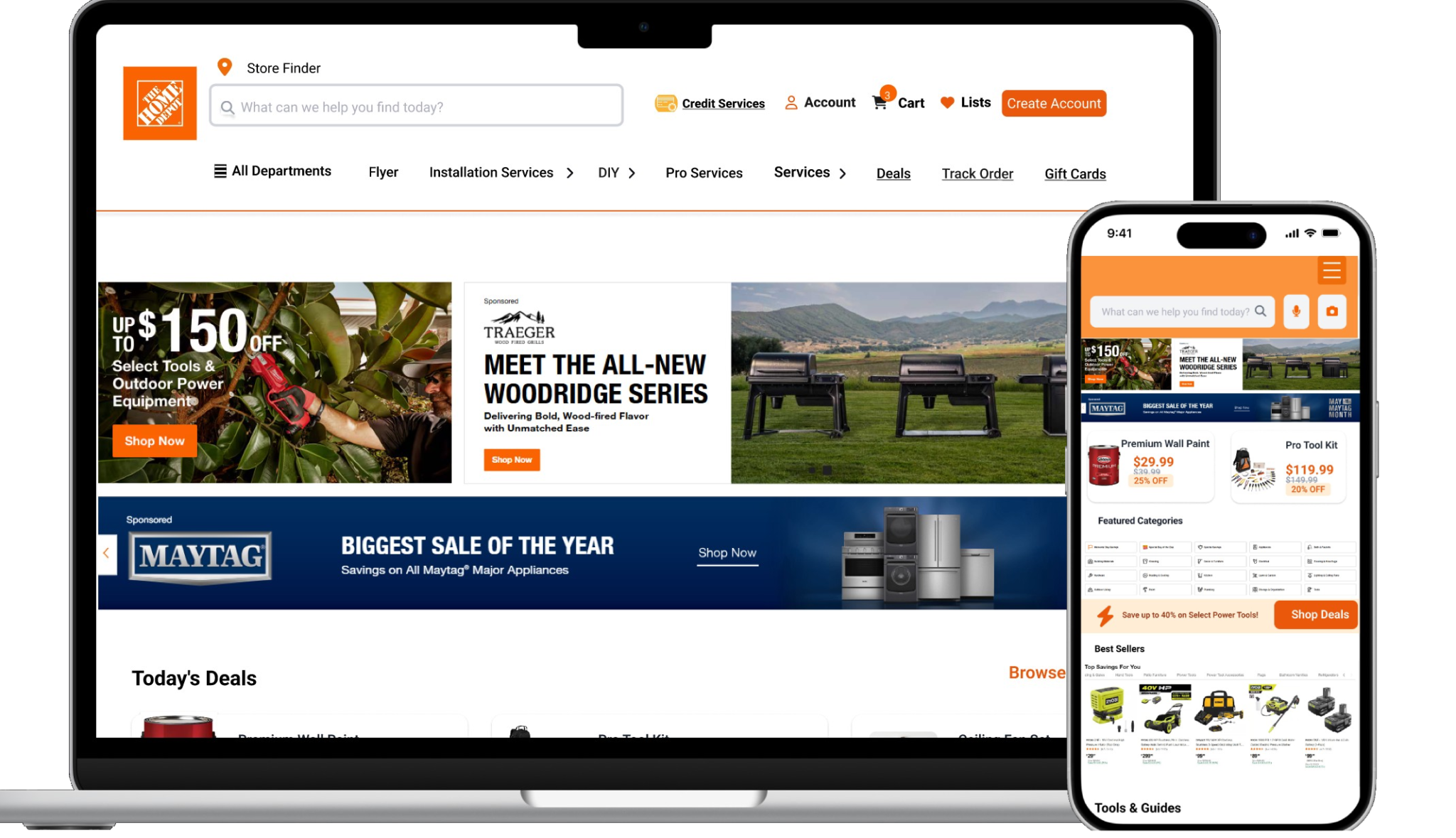
This case study was shaped by conversations with real Home Depot customers in-store, ensuring the solutions directly address genuine user needs. My goal was to improve the website’s usability and accessibility through a user-centered design process. I followed the five iterative phases of design thinking: Empathize, Define, Ideate, Prototype, and Test. Using Figma, I redesigned The Home Depot’s top navigation to address key usability challenges. The original menu lacked clear categorization and service options, making it especially difficult for users with limited technical experience to navigate. This often led to confusion and inefficient browsing. The redesigned navigation simplifies the user journey and enhances overall accessibility and ease of use.
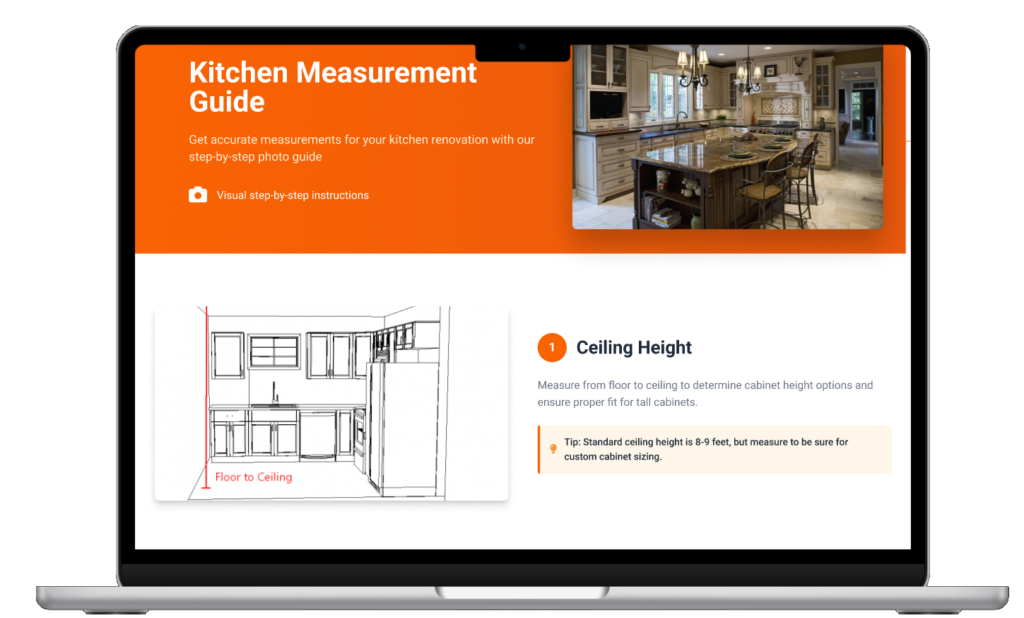
Create a kitchen measurements guide to enhance user satisfaction by addressing key pain points
From my experience as a kitchen designer, I’ve noticed that accurately measuring kitchens can be quite challenging for homeowners on a renovation or design project. You might assume that measuring is a straightforward task, but many homeowners struggle with knowing where to start, which specifics to focus on, and how to avoid mistakes. Unfortunately, there aren’t many tools or resources available that clearly guide them in a user-friendly manner.
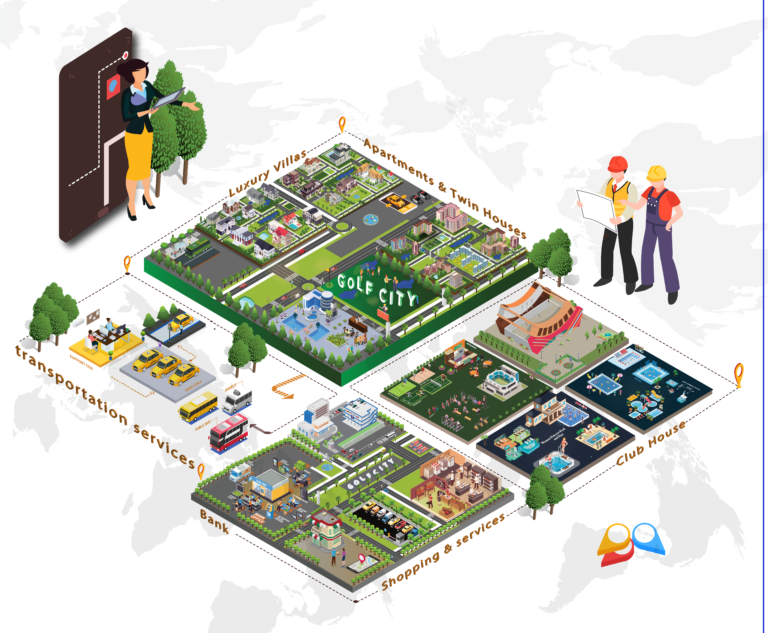
I redesigned and coded the website, focused on user experience (UX). My goal was to address users’ pain points related to website navigation and accessibility. I aimed to improve readability with clearer layouts and typography, as well as enhance the flow of information, enabling users to make confident decisions
I followed a comprehensive UX process, including user research, personas, interviews, and surveys to understand user needs. I then created wireframes and developed both low-fidelity and high-fidelity, prototypes to iterate and validate design solutions, ensuring a seamless and engaging experience for users.
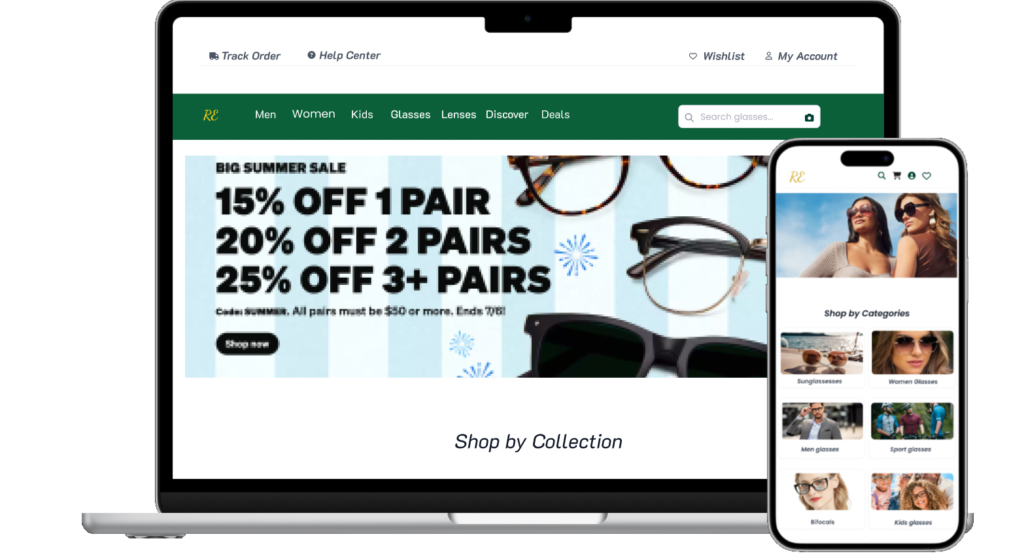
Goal: To build an interactive, practical shopping platform that integrates operational features with user-friendly design elements and aesthetic appeal for user trust in online glasses purchases
The project demonstrates my expertise in UX/UI design together with product design through a conceptual online glasses shopping application available in mobile and desktop platforms
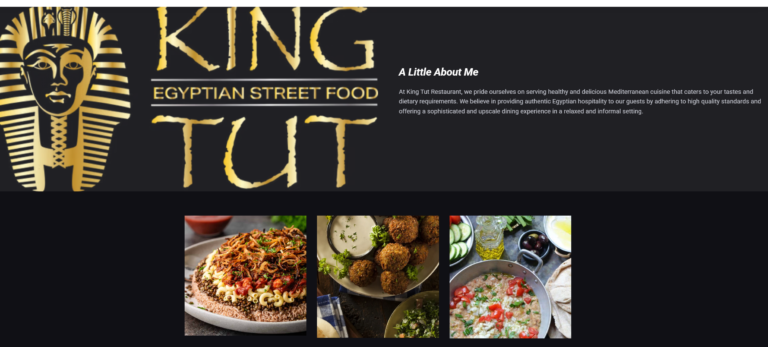
Goal: To provide a digital presence that reflects the restaurant’s brand and enhances the user experience, making it easy for customers to explore the menu, make reservations, and connect with the restaurant.
UX & UI Design: I focused on designing a user-friendly and visually appealing experience, ensuring that menus, reservations, and contact information are easy to find. The design emphasizes the restaurant’s ambiance and cuisine to engage visitors and encourage bookings.
This redesign was presented as a mockup, serving as a proof of concept rather than a live implementation
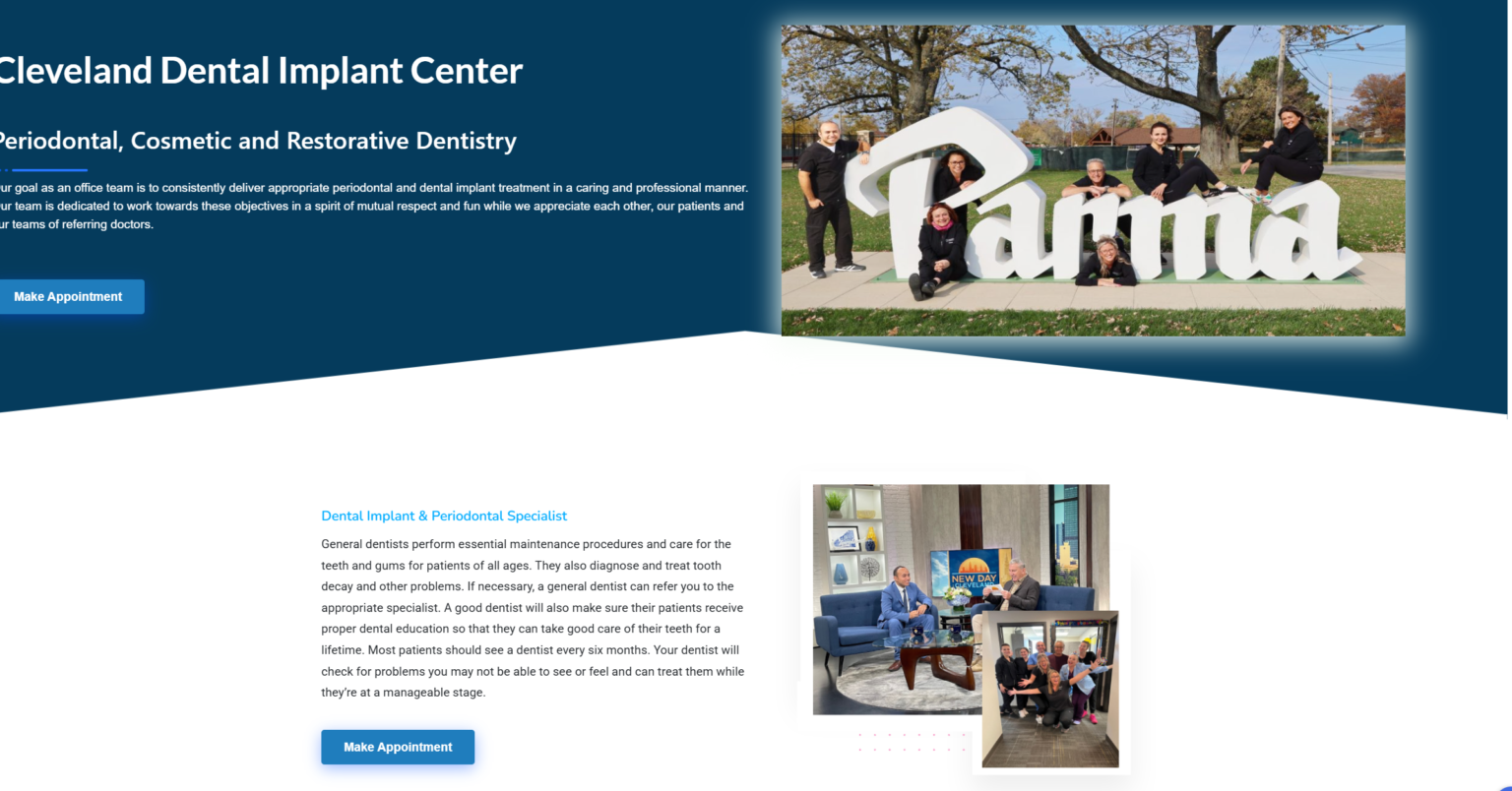
Website of a Dental Office
This redesign was presented as a mockup, serving as a proof of concept rather than a live implementation
practical project, in which I created a polished website for a dental office, demonstrates my abilities as a web developer and UX designer.
This redesign was presented as a mockup, serving as a proof of concept rather than a live implementation
Website for Beauty and Makeup Products
The objective is to combine front-end coding, UX, and branding to create a seamless online experience that feels
UX & UI Design: I prioritized usability and user flow when designing the website’s layout, which included a smooth checkout process, clear category integration, and easy product browsing. In order to enhance the user experience across devices, I also implemented responsive design, accessibility, and visual hierarchy principles.
.


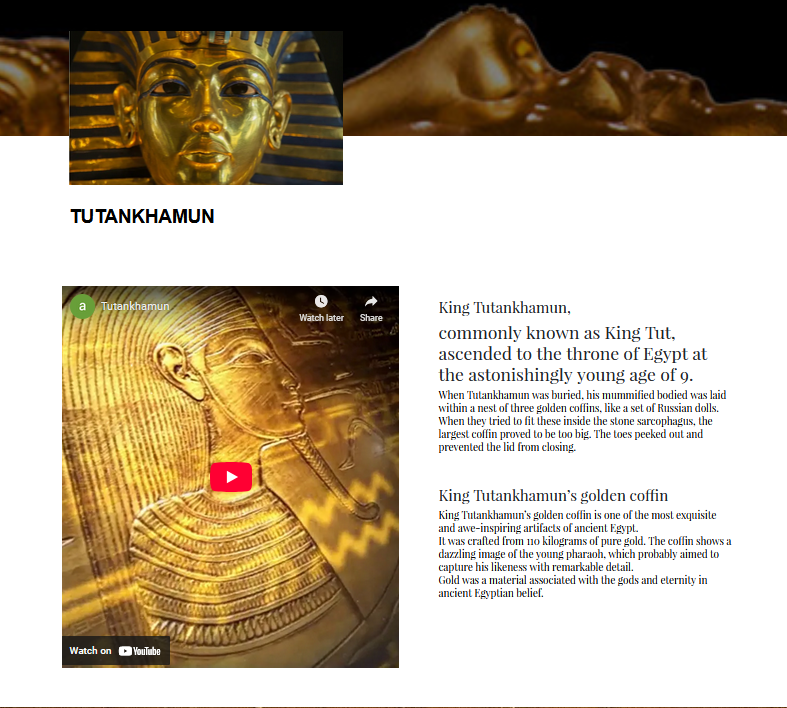
This site is a fully designed and coded website dedicated to depicting the glorious history of ancient Egyptian civilization and highlighting must-visit spots across Egypt. My goal was to blend informative content with an engaging user experience that would demystify Egypt’s heritage and culture for tourists.
From a UX design perspective, I was meticulous about providing a smooth navigation flow that allows users to access historical data, landmarks, and travel advice with ease. I used a minimalist design, intuitive menus, and visual storytelling to keep the experience both informative and motivational.