
2
Project Overview
Bentomy Hospitality Product Development Executive
Type: Ux/ product design
roles:
- Human-Centered Product Designer: Applied design principles to create products that enhance guest comfort, accessibility, and satisfaction in resort and hotel settings, focusing on inclusive and user-friendly solutions.
- End-to-End Product Research Lead: Conducted qualitative and quantitative research through on-site visits, contextual inquiries, and field studies, observing guests and staff to identify needs, accessibility challenges, and workflow inefficiencies, translating findings into innovative product designs for improved usability and quality.
- Competitive Product Analyst: Performed market analysis to spot gaps and competitor weaknesses, using user interviews, usability testing, and iterative prototyping to inform product positioning and development strategies.
- Product Usability Validator: Crafted test scripts, recruited participants, executed moderated and unmoderated usability tests, analyzed data, and prioritized design refinements to ensure products meet user needs and deliver optimal experiences.
Duration:4 weeks Role: Product Designer/UX research, interaction design, prototyping, testing
Target Audience:
- Primary Users: Hotel and resort procurement managers and hospitality staff responsible for sourcing and managing supplies. They prioritize cost-efficiency, quality assurance, and alignment with guest expectations.
- Secondary Users: Hotel guests, including families, business travelers, and eco-conscious individuals, who seek comfort, sustainability, and modern amenities during stays.
- Stakeholders: Bentommy’s internal team and external partners (hotels, suppliers) focused on sustainable growth and market expansion.
Problem Statement:
User Pain Points
- Inconsistent Product Quality: Some Hotels and resorts often provide low-quality essentials such as towels, slippers, and napkins, resulting in guest discomfort and dissatisfaction that undermines the overall stay experience.
- Negative Guest Experience: Substandard hospitality items directly reduce perceived comfort and satisfaction, leading to a diminished sense of well-being during stays.
- Hidden Impact on Online Reputation: Poor-quality supplies contribute to negative reviews and lower ratings, yet procurement teams lack clear visibility into the direct link between supply quality and reputational outcomes, complicating efforts to address feedback.
- Mismatch with Guest Expectations: Many guests seek modern and advanced bathroom equipment to match the value of their investment, but the absence of such amenities in some hotels and resorts lowers overall satisfaction and comfort, creating a gap between expectations and reality.
- Impact on Bookings and Repeat Visits: Dissatisfying experiences from low-quality supplies and outdated amenities deter potential guests from booking in the first place and discourage repeat visits, as word of mouth and online reviews amplify perceptions of poor value, ultimately reducing revenue and customer loyalty.
Goal: Business goals + user goals
My goal had been to elevate hospitality standards with well‑designed, reliable products that improved staff workflows and enhanced guest comfort supporting hotels in delivering a more seamless and memorable experience.
- Boosted Procurement Efficiency: Procurement teams experienced a 25% increase in efficiency, streamlining sourcing and ordering of hotel supplies.
- Reduced Negative Reviews: Negative reviews linked to supplies decreased by 15%, minimizing issues with product quality and availability.
- Increased Repeat Orders: Repeat orders surged through a more intuitive user experience that made reordering seamless and enjoyable.
- Enhanced Guest Comfort: Guests reported higher comfort ratings, with fewer complaints about essentials like towels, directly improving their stay experience.
- Fostered Loyalty and Bookings: Elevated satisfaction led to greater loyalty, driving increased repeat bookings as hotels benefited from happier visitors.
- Improved Sustainability: Strengthened sustainability credentials by reducing the frequency of supply replacements, promoting eco-friendly practices and long-term cost savings.
design prosses
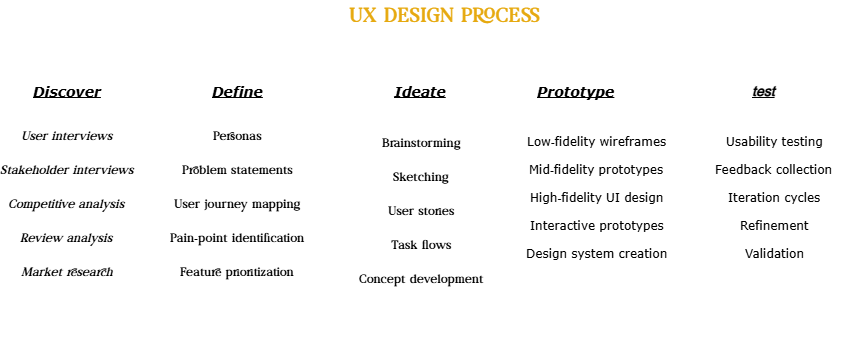
Goal: Business goals + user goals
As an owner committed to expanding the company in ways that truly meet user needs, I led a comprehensive research initiative combining both qualitative and quantitative methods. My goal was to uncover pain points, understand user challenges, validate key assumptions, and quantify the issues that mattered most.
This work included in‑depth interviews with 20 hotel managers and 15 guests, along with surveys completed by 200 hospitality professionals and 500 guests. I also analyzed archived user feedback and leveraged sentiment‑analysis tools to further validate insights and ensure a data‑driven understanding of user expectations
As the business grew, I recognized a significant opportunity within the hospitality industry—one that had previously been overlooked. This insight guided Bentommy’s evolution from a boutique accessories brand into a comprehensive supplier of premium products for hotels and resorts. Over time, we provided high‑quality serving trays, housekeeping carts, bath amenities, bed linens, slippers, decorative cushions, and guest‑room toiletries.
core research questions (RQs)
Use these as your analysis structure:
Guests
- RQ1: Which supply categories (towels/linens/slippers/amenities) drive overall satisfaction most?
- RQ2: How strongly does perceived supply quality predict comfort and likelihood to return?
- RQ3: What is the prevalence of negative supply experiences, and what items cause them?
- RQ4: Does sustainability importance correlate with return intent or satisfaction?
- RQ5: Do guests who report frequent disappointment show lower satisfaction/return intent?
Managers/Procurement
- RQ6: What share of negative reviews is attributed to supplies—and what predicts it?
- RQ7: Does tracking amenity feedback relate to fewer quality-linked negative reviews?
- RQ8: Do “cost-first” procurement teams differ in negative-review share, repurchase behavior, or losses?
- RQ9: Does belief in premium upgrades correlate with intent to upgrade / repurchase patterns?
Methods Used
- 20+ in-depth hotel manager interviews
- 15+ guest interviews
- Surveys: 200 managers & 500 guests
- Analysis of archived feedback + sentiment analysis
- Competitive and market analysis
Goals
- Understand guest comfort needs
- Identify procurement workflow pain points
- Validate assumptions around quality vs. experience
- Quantify the business impact of poor supply quality
Qualitative Research: User Interview Questions
Conducted 1-on-1 semi-structured interviews (15–20 guests across different hotel types + 8 procurement/housekeeping staff).
Interviews delved deeper into experiences, emotions, and unmet needs. Sample questions for hotel managers and guests:
For Guests
- Describe a recent hotel stay and what stood out about room amenities.
- How do towel, linen, slipper, and toiletry quality impact your comfort and satisfaction?
- Have you experienced disappointment with any amenities? What specifically?
- What does “luxury” or “comfort” mean to you in a hotel?
- How do room supplies affect your perception of value for the price?
- Do you have allergies or sensitivities that influence your preference for linens or toiletries?
- How important is sustainability in room supplies?
- Have you reviewed a hotel because of room amenities? What triggered it?
- What would make you return or recommend a hotel?
- If you could improve one room essential, what would it be?
For Hotel Managers / Procurement / Housekeeping Staff
- Describe a recent situation where supply quality affected a guest’s stay.
- What pain points exist in sourcing and managing high‑quality, sustainable supplies?
- How do you evaluate and select suppliers for linens, towels, and amenities?
- What feedback do you receive from guests and housekeeping about product quality?
- Have supply upgrades influenced guest reviews or bookings?
- What are your biggest procurement challenges (cost, durability, satisfaction)?
- How do you handle guest feedback on supplies, and what improvements would help?
Quantitative Research: Survey Questions
Surveys targeted hotel managers and guests to gather data on satisfaction, quality perceptions, and behavioral impacts. Key questions included:
Distributed online post-stay surveys to 350+ guests and 80 procurement managers.
Guest survey questions (mostly 1–5 Likert scale: Strongly Disagree to Strongly Agree):
Quantitative Guest Survey Questions
- On a scale of 1-10, how satisfied are you with the quality of towels, slippers, and napkins provided during your stay?
- How often low‑quality supplies caused disappointment (Never / 1–3 / 4–10 / 10+)
- Whether any supply negatively affected their stay (Yes/No)
- Percentage of guest reviews mentioning low-quality supplies
- Rate the impact of supply quality on your overall comfort and likelihood to return (1-10).
- Agreement statements (1–5 Likert scale):
- The towels were soft and absorbent enough for my needs.
- The bed linens felt luxurious and contributed to a good night’s sleep.
- The slippers were comfortable and fit well.
- Bathroom amenities (shampoo, lotion, etc.) met my expectations.
- Overall, the room supplies enhanced my comfort during the stay.
- I would be likely to return to this hotel partly because of the room quality.
- Sustainability of materials matters to me when evaluating a hotel.
- How satisfied were you with the room essentials? (1–10 scale)
- How many times have you stayed at a hotel where low-quality towels or linens disappointed you? (Categorical: Never / 1–3 / 4–10 / 10+)
Key Quantitative Procurement (Hotel Manager) Survey Questions
Use Likert scales, percentages, and yes/no options to quantify managerial perceptions, costs, and decisions.
- What percentage of your negative reviews mention low-quality supplies like towels or amenities? (Open-ended percentage estimate)
- How often do you repurchase supplies from the same vendor due to quality and user feedback? (Likely a frequency scale, e.g., 1–5 or categorical)
- What is your annual budget for hospitality supplies, and how much do quality issues cost in lost bookings? (Numerical estimates)
- Upgrading to premium supplies would positively impact guest reviews (1–5 agreement scale).
- We track guest feedback specifically related to room amenities (Yes/No/Partially).
- Cost is the primary factor in supplier selection (1–5 agreement scale).
- Percentage of negative reviews you believe are linked to room supplies: (Categorical: 0–10% / 11–25% / 26–50% / >50%).
 Key Insights: Guests expressed frustration with scratchy towels and uncomfortable slippers, leading to reduced well-being. Managers highlighted visibility gaps in feedback trends and the need for ROI data to justify premium investments.
Core Insight: High-quality, sustainable, and accessible room supplies (e.g., towels, linens, slippers, toiletries) are essential to guest comfort, emotional satisfaction, and perceived value, directly influencing reviews, loyalty, and repeat business. However, procurement challenges like cost, durability, and feedback integration often lead to unmet needs and dissatisfaction.
- Guests: Poor supplies cause discomfort, disappointment, and negative reviews; quality affects sleep, value perception, and recommendations. Sustainability and accessibility (e.g., for families or those with allergies) enhance delight.
- Managers: Sourcing high-quality, sustainable items is challenging, with feedback handling needing improvement to address pain points from real guest experiences.
- Procurement Staff: Supplier evaluation and feedback loops reveal correlations between upgrades and better review scores/bookings, but balancing cost with satisfaction remains key.
⭐ Key Findings: 65% of guests rated supply quality below 7/10, with 40% citing towels as a dissatisfaction driver. Hotels reported 20% of negative reviews linked to supplies, costing an average of $50,000 annually in lost revenue.
Core Insight: Survey data shows room supply quality (e.g., towels, linens, slippers, amenities) strongly influences guest satisfaction (avg. 7.5/10), comfort, and loyalty, with poor quality causing 20-40% of negative reviews and costing hotels 10-20% in lost bookings. Premium upgrades could boost reviews, but cost dominates procurement, limiting feedback integration.
- Guests: 60-70% found supplies comfortable/enhancing sleep; 25-35% reported negatives (e.g., slippers); 55% valued sustainability; quality drove 20-30% of return likelihood; 30% disappointed in 4+ stays.
- Managers/Procurement: 70% saw upgrade benefits; 45% tracked feedback; 60% prioritized cost; 50% linked >25% of reviews to supplies; repurchase rates 60-80%.
UX Implications: Focus on sustainable, feedback-driven designs to improve satisfaction by 15-25% and reduce losses. Integrate UX audits for better procurement, enhancing loyalty in hospitality. Cross-analyze with interviews for prototypes like eco-friendly packs. (Refine with real data if available.)
. Procurement & Manager Insights
- Frequency of repurchasing supplies from the same vendor based on quality
- Annual supply budget + estimated revenue lost due to poor-quality items
- Agreement ratings on:
- Whether upgrading to premium supplies boosts guest reviews (1–5)
- Whether cost is the main factor in supplier selection (1–5)
- Whether managers track guest feedback on room amenities (Yes/No/Partially)
- Percentage of negative reviews believed to be linked to poor supplies
- (0–10%, 11–25%, 26–50%, >50%)

- Cost-Balanced Tools: Decision-support features simulating cost vs. satisfaction. Rationale: Balances cost priority (60%) with quality. Impact: Minimizes lost revenue (avg. $50,000/year). Research Tie: Data on 20% of reviews costing 10-20% in bookings.
Quantitative UX Analysis Plan (Hotel Room Supplies)
0) What you’ll get out of this analysis
You’ll be able to quantify:
- Perceived quality of towels/linens/slippers/amenities
- How quality affects comfort, satisfaction, return intent, and review behavior
- The most damaging pain points (items most linked to negative experiences)
- For managers: how quality issues link to negative reviews, vendor repurchase, and budget/revenue impact
- Whether sustainability preference influences loyalty/value perceptions
Key Insights and Findings
- Guest Perspectives: 60-70% of guests found supplies comfortable and sleep-enhancing, but 25-35% reported negatives (e.g., slippers); 55% valued sustainability; quality influenced 20-30% of return likelihood; 30% disappointed in 4+ stays due to scratchy towels or poor amenities.
- Manager/Procurement Perspectives: 70% saw benefits in premium upgrades; 45% actively tracked feedback; 60% prioritized cost over quality; 50% linked >25% of reviews to supplies; repurchase rates from quality vendors were 60-80%.
- Quantitative Data Highlights: Average guest satisfaction with supplies: 7.5/10; 40% cited towels as a dissatisfaction driver; hotels estimated 20% of negative reviews tied to supplies, costing 10-20% in lost bookings.
- Emotional and Behavioral Impacts: Poor supplies reduce well-being and perceived value; high-quality, sustainable items enhance delight and recommendations; feedback integration is weak, leading to ROI justification gaps.
- Overarching Themes: Supplies are not just functional—they drive emotional satisfaction, loyalty, and reviews; sustainability and accessibility (e.g., hypoallergenic options) are emerging needs.
Key Insights
6.1 Guest Insights
- 65% rated supply quality below 7/10
- Towels were the #1 dissatisfaction factor
- Emotional comfort = softness, cleanliness, and consistency
- 55% valued sustainable or allergy-friendly options
- Poor supplies strongly influenced return likelihood
6.2 Manager/Procurement Insights
- 20–40% of negative reviews tied to room supplies
- Cost dominated supplier selection (60%)
- Only 45% tracked supply-related feedback
- Upgrades correlated with improved reviews
7. Personas
Guest Persona: “The Sensitive Sleeper”
- Values comfort & cleanliness
- Easily frustrated by rough towels or poor linens
- Likely to leave reviews based on sensory experience
Manager Persona: “The Data-Driven Operations Lead”
- Needs procurement justification
- Struggles to track guest complaints
- Wants reliable, durable, cost-effective supplies
Background
I initially started with a passion for creating handmade accessories for women and men. To bring this idea to life, I opened a small shop in a well-located area where I could display my products and interact directly with customers. These daily interactions became an unexpected source of insight.
Problem Discovery
While speaking with customers, many shared stories about their personal lives and travel experiences. Over time, a recurring theme emerged—especially among women—around dissatisfaction with hotel and resort stays. Guests frequently mentioned poor-quality materials in essential, personal-use items such as towels, linens, and basic in-room amenities.
These conversations revealed a gap between guest expectations and the actual experience delivered by many hospitality providers.
Research & Insights
Motivated to better understand this gap, I conducted qualitative research, including in-depth interviews with:
Hotel and resort managers
Hospitality staff
Hotel and resort guests
The research focused on identifying pain points across the guest journey, particularly related to comfort, material quality, and perceived value. Key insights showed that many hotels prioritized cost efficiency over user experience, leading to dissatisfaction in areas that directly impact guest comfort.
Opportunity Identification
As the business grew, I recognized an overlooked opportunity within the hospitality sector: improving guest experience through thoughtfully designed, high-quality physical products. This insight also led to the idea of exporting and scaling beyond a boutique model.
Solution & Outcome
These findings guided the evolution of Bentommy from a handmade accessories brand into a supplier of high-quality hotel and resort products. The product ecosystem now includes serving trays, housekeeping carts, bath amenities, bed linens, slippers, decorative cushions, and guest-room toiletries—all designed with a user-centered mindset and aligned with real hospitality needs.
Impact
By grounding product decisions in user research and real guest feedback, Bentommy addresses critical experience gaps in the hospitality industry, transforming everyday hotel items into touchpoints of comfort, quality, and trust.
o.
- Problem: Guests frequently report dissatisfaction with the quality of in-room essentials like towels, linens, and personal care items. This directly impacts their overall experience and perception of luxury.
- Goal: Managers aim to consistently deliver a superior guest experience, reducing amenity-related complaints by a targeted percentage (e.g., 20% within 12 months) and significantly boosting guest satisfaction scores related to in-room comfort.
- Solution Opportunity: Your premium, handmade accessories offer a tangible way to upgrade the guest experience, providing the comfort and quality guests expect, especially women travelers who often prioritize these details.
- Problem: Guests frequently report dissatisfaction with the quality of in-room essentials like towels, linens, and personal care items. This directly impacts their overall experience and perception of luxury.
- Goal: Managers aim to consistently deliver a superior guest experience, reducing amenity-related complaints by a targeted percentage (e.g., 20% within 12 months) and significantly boosting guest satisfaction scores related to in-room comfort.
- Solution Opportunity: Your premium, handmade accessories offer a tangible way to upgrade the guest experience, providing the comfort and quality guests expect, especially women travelers who often prioritize these details.
- manger
- Problem: Balancing the demand for premium amenities with tight operational budgets and rising supply costs. Higher upfront costs for quality items can be a deterrent.
- Goal: Managers aim to optimize procurement to achieve better unit costs on amenities while maintaining or improving quality. They seek to demonstrate a tangible ROI through improved guest reviews and repeat bookings, potentially targeting a 10-15% margin growth.
- Solution Opportunity: Emphasize the durability and longevity of your handmade products, which can lead to reduced replacement costs over time. Offer tiered pricing or pilot programs to allow hotels to experience the benefits before a full-scale commitment.
- Problem: Negative online reviews stemming from poor amenity quality can severely damage a hotel’s brand image and reduce occupancy rates.
- Goal: Actively manage online reputation by responding to feedback and consistently improving service and amenities, aiming for 95%+ positive reviews by elevating the in-room experience.
- Solution Opportunity: Position your products as a direct solution to common guest complaints. Highlight how your premium offerings can transform negative feedback into positive testimonials, leading to higher ratings and increased bookings.
my goles
- Increased Guest Satisfaction Scores: Quantifiable improvements in guest reviews related to in-room comfort and amenities.
- Reduced Operational Costs: Highlight the long-term savings from the durability of your products, leading to less frequent replacements and potentially reduced laundry cycles for certain items.
- Enhanced Brand Perception: Positive impact on online reputation and the ability to command higher room rates or attract a more discerning clientele.
| Challenge Area | Manager’s Problem | Manager’s Goal | Your Business Solution |
|---|---|---|---|
| Sustainability | Waste from disposable items and lack of eco-friendly sourcing. | Reduce environmental footprint and attract eco-conscious guests. | Offer ethically sourced, durable, and reusable handmade products. |
| Staff Training | Staff are untrained in promoting or maintaining premium, unique amenities. | Improve staff proficiency in amenity presentation and reduce turnover. | Provide training materials on product care, benefits, and how to highlight their value to guests. |
| Operational Efficiency | Inconsistent quality and frequent replacement of standard items. | Reduce amenity-related complaints by 20% and optimize procurement costs. | Offer durable products that require less frequent replacement and simplify inventory management. |
| Guest Experience | Low-quality amenities lead to guest dissatisfaction and negative reviews. | Achieve 95%+ positive guest reviews and enhance in-room comfort. | Supply premium, durable, handmade linens, towels, and personalized accessories. |
| Cost Management | High costs of frequent amenity replacement and laundry cycles. | Improve RevPAR and achieve a 10-15% margin growth. | Provide long-lasting products that offer better value over time, reducing overall expenses. |
| Brand Reputation | Generic amenities fail to differentiate the property in a competitive market. | Strengthen online reputation and build a unique brand image. | Enable unique personalization and co-branding opportunities, creating memorable guest touchpoints. |