
BenTomy
Background
I initially started with a passion for creating handmade accessories for women and men. To bring this idea to life, I opened a small shop in a well-located area where I could display my products and interact directly with customers. These daily interactions became an unexpected source of insight.
My goal:
- Increased Guest Satisfaction Scores: Quantifiable improvements in guest reviews related to in-room comfort and amenities.
- Reduced Operational Costs: Highlight the long-term savings from the durability of your products, leading to less frequent replacements and potentially reduced laundry cycles for certain items.
- Enhanced Brand Perception: Positive impact on online reputation and the ability to command higher room rates or attract a more discerning clientele.
Solution & Outcome
These findings guided the evolution of Bentommy from a handmade accessories brand into a supplier of high-quality hotel and resort products. The product ecosystem now includes serving trays, housekeeping carts, bath amenities, bed linens, slippers, decorative cushions, and guest-room toiletries—all designed with a user-centered mindset and aligned with real hospitality needs.
Problem Discovery
While speaking with customers, many shared stories about their personal lives and travel experiences. Over time, a recurring theme emerged especially among women around dissatisfaction with hotel and resort stays. Guests frequently mentioned poor-quality materials in essential, personal-use items such as towels, linens, and basic in-room amenities.
These conversations revealed a gap between guest expectations and the actual experience delivered by many hospitality providers.
Research & Insights
Motivated to better understand this gap, I conducted qualitative research, including in-depth interviews with:
Hotel and resort managers
Hospitality staff
Hotel and resort guests
Impact
By grounding product decisions in user research and real guest feedback, Bentommy addresses critical experience gaps in the hospitality industry, transforming everyday hotel items into touchpoints of comfort, quality, and trust.
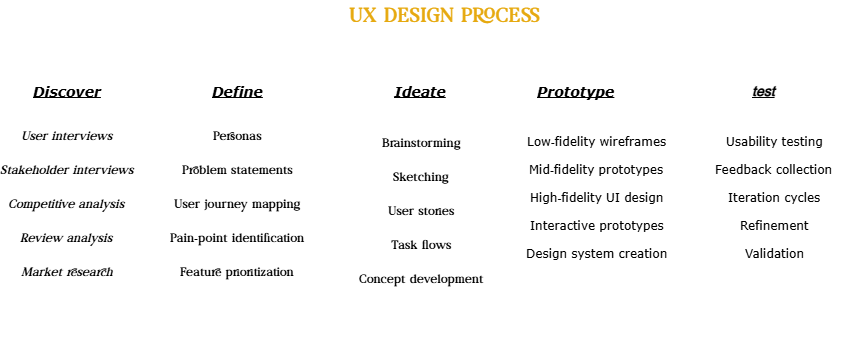
design prosses
Users Problem Statements:
- Inconsistent Product Quality: Some Hotels and resorts often provide low-quality essentials such as towels, slippers, and napkins, resulting in guest discomfort and dissatisfaction that undermines the overall stay experience.
- Mismatch with Guest Expectations: Many guests seek modern and advanced bathroom equipment to match the value of their investment, but the absence of such amenities in some hotels and resorts lowers overall satisfaction and comfort, creating a gap between expectations and reality.
- Impact on Bookings and Repeat Visits: Dissatisfying experiences from low-quality supplies and outdated amenities deter potential guests from booking in the first place and discourage repeat visits, as word of mouth and online reviews amplify perceptions of poor value, ultimately reducing revenue and customer loyalty.
Availability and Accessibility: Running out of essentials like toiletries or slippers during a stay creates inconvenience, forcing guests to request replacements and interrupting their relaxation.
managers Problem Statement:
- Sourcing Inconsistent or Low-Quality Supplies: Managers struggle with suppliers who deliver variable quality, leading to frequent replacements and guest complaints. For example, cheap bath amenities might irritate skin or break easily, increasing operational costs and damaging brand reputation.
Inventory Management and Stockouts: Tracking and replenishing items like linens, slippers, and toiletries is complex, especially during peak seasons. Stockouts can disrupt housekeeping efficiency, causing delays in room turnovers and lost revenue from unavailable rooms.
Maintenance and Durability Issues: High-traffic items such as housekeeping carts and serving trays wear out quickly in busy resorts, requiring costly repairs or replacements. Poor durability leads to safety hazards, like unstable carts tipping over.
Maximize Profitability and ROI: Achieve cost-effective sourcing of durable products like high-quality linens and housekeeping carts to reduce replacement expenses by 20-30%, boosting net margins without compromising guest experience.
Customization and Branding Challenges: Standard products don’t always align with the resort’s aesthetic or theme, making it hard to create a cohesive guest experience. For instance, generic cushions or linens may not match luxury branding, reducing perceived value.
Supplier Reliability and Lead Times: Delays in deliveries from unreliable suppliers can halt operations, particularly for essentials like bed linens during renovations or expansions.
pain point Research
Methods Used
- 20+ in-depth hotel manager interviews
- 15+ guest interviews
- Surveys: 200 managers & 500 guests
- Analysis of archived feedback + sentiment analysis
- Competitive and market analysis
Goals
- Understand guest comfort needs
- Identify procurement workflow pain points
- Validate assumptions around quality vs. experience
- Quantify the business impact of poor supply quality
Qualitative Research: User Interview Questions
Conducted 1-on-1 semi-structured interviews (15–20 guests across different hotel types + 8 procurement/housekeeping staff).
Interviews delved deeper into experiences, emotions, and unmet needs. Sample questions for hotel managers and guests:
For Guests
- Describe a recent hotel stay and what stood out about room amenities.
- How do towel, linen, slipper, and toiletry quality impact your comfort and satisfaction?
- Have you experienced disappointment with any amenities? What specifically?
- What does “luxury” or “comfort” mean to you in a hotel?
- How do room supplies affect your perception of value for the price?
- Do you have allergies or sensitivities that influence your preference for linens or toiletries?
- How important is sustainability in room supplies?
- Have you reviewed a hotel because of room amenities? What triggered it?
- What would make you return or recommend a hotel?
- If you could improve one room essential, what would it be?
For Hotel Managers / Procurement / Housekeeping Staff
- Describe a recent situation where supply quality affected a guest’s stay.
- What pain points exist in sourcing and managing high‑quality, sustainable supplies?
- How do you evaluate and select suppliers for linens, towels, and amenities?
- What feedback do you receive from guests and housekeeping about product quality?
- Have supply upgrades influenced guest reviews or bookings?
- What are your biggest procurement challenges (cost, durability, satisfaction)?
- How do you handle guest feedback on supplies, and what improvements would help?
Quantitative Research: Survey Questions
Surveys targeted hotel managers and guests to gather data on satisfaction, quality perceptions, and behavioral impacts. Key questions included:
Distributed online post-stay surveys to 350+ guests and 80 procurement managers.
Guest survey questions (mostly 1–5 Likert scale: Strongly Disagree to Strongly Agree):
Quantitative Guest Survey Questions
- On a scale of 1-10, how satisfied are you with the quality of towels, slippers, and napkins provided during your stay?
- How often low‑quality supplies caused disappointment (Never / 1–3 / 4–10 / 10+)
- Whether any supply negatively affected their stay (Yes/No)
- Percentage of guest reviews mentioning low-quality supplies
- Rate the impact of supply quality on your overall comfort and likelihood to return (1-10).
- Agreement statements (1–5 Likert scale):
- The towels were soft and absorbent enough for my needs.
- The bed linens felt luxurious and contributed to a good night’s sleep.
- The slippers were comfortable and fit well.
- Bathroom amenities (shampoo, lotion, etc.) met my expectations.
- Overall, the room supplies enhanced my comfort during the stay.
- I would be likely to return to this hotel partly because of the room quality.
- Sustainability of materials matters to me when evaluating a hotel.
- How satisfied were you with the room essentials? (1–10 scale)
- How many times have you stayed at a hotel where low-quality towels or linens disappointed you? (Categorical: Never / 1–3 / 4–10 / 10+)
Key Quantitative Procurement (Hotel Manager) Survey Questions
Use Likert scales, percentages, and yes/no options to quantify managerial perceptions, costs, and decisions.
- What percentage of your negative reviews mention low-quality supplies like towels or amenities? (Open-ended percentage estimate)
- How often do you repurchase supplies from the same vendor due to quality and user feedback? (Likely a frequency scale, e.g., 1–5 or categorical)
- What is your annual budget for hospitality supplies, and how much do quality issues cost in lost bookings? (Numerical estimates)
- Upgrading to premium supplies would positively impact guest reviews (1–5 agreement scale).
- We track guest feedback specifically related to room amenities (Yes/No/Partially).
- Cost is the primary factor in supplier selection (1–5 agreement scale).
- Percentage of negative reviews you believe are linked to room supplies: (Categorical: 0–10% / 11–25% / 26–50% / >50%).
Key Findings:
Core Insight: High-quality, sustainable, and accessible room supplies (e.g., towels, linens, slippers, toiletries) are essential to guest comfort, emotional satisfaction, and perceived value, directly influencing reviews, loyalty, and repeat business. However, procurement challenges like cost, durability, and feedback integration often lead to unmet needs and dissatisfaction.
- Guests: Poor supplies cause discomfort, disappointment, and negative reviews; quality affects sleep, value perception, and recommendations. Sustainability and accessibility (e.g., for families or those with allergies) enhance delight.
- Managers: Sourcing high-quality, sustainable items is challenging, with feedback handling needing improvement to address pain points from real guest experiences.
- Procurement Staff: Supplier evaluation and feedback loops reveal correlations between upgrades and better review scores/bookings, but balancing cost with satisfaction remains key.
Key Findings:
Key Findings: 65% of guests rated supply quality below 7/10, with 40% citing towels as a dissatisfaction driver. Hotels reported 20% of negative reviews linked to supplies, costing an average of $50,000 annually in lost revenue.
Core Insight: Survey data shows room supply quality (e.g., towels, linens, slippers, amenities) strongly influences guest satisfaction (avg. 7.5/10), comfort, and loyalty, with poor quality causing 20-40% of negative reviews and costing hotels 10-20% in lost bookings. Premium upgrades could boost reviews, but cost dominates procurement, limiting feedback integration.
- Guests: 60-70% found supplies comfortable/enhancing sleep; 25-35% reported negatives (e.g., slippers); 55% valued sustainability; quality drove 20-30% of return likelihood; 30% disappointed in 4+ stays.
- Managers/Procurement: 70% saw upgrade benefits; 45% tracked feedback; 60% prioritized cost; 50% linked >25% of reviews to supplies; repurchase rates 60-80%.
My Goal: Focus on sustainable, feedback-driven designs to improve satisfaction by 15-25% and reduce losses. Integrate UX audits for better procurement, enhancing loyalty in hospitality. Cross-analyze with interviews for prototypes like eco-friendly packs. (Refine with real data if available.)
Procurement & Manager Insights
- Frequency of repurchasing supplies from the same vendor based on quality
- Annual supply budget + estimated revenue lost due to poor-quality items
- Agreement ratings on:
- Whether upgrading to premium supplies boosts guest reviews (1–5)
- Whether cost is the main factor in supplier selection (1–5)
- Whether managers track guest feedback on room amenities (Yes/No/Partially)
- Percentage of negative reviews believed to be linked to poor supplies
- (0–10%, 11–25%, 26–50%, >50%)